

Here's a historical overview of the Narsingh Nath Temple, complete with a title and image prompts:
The Ancient Echoes of Narsingh Nath: A Legacy Etched in Stone and Spirit
The Narsingh Nath Temple, nestled at the foot of the picturesque Gandhamardan Hills in Odisha, India, stands as a testament to centuries of devotion, architectural brilliance, and a rich tapestry of myths and legends. More than just a place of worship, it is a historical landmark, a pilgrimage site, and a vibrant cultural hub that continues to draw devotees and scholars alike.
A Deity of Power and Protection
The primary deity of the temple is Lord Narsingh Nath, an incarnation of Vishnu, depicted in his half-lion, half-human form. This powerful avatar is revered as the protector who vanquishes evil and restores dharma. The temple's sanctum houses a unique idol of the deity, often adorned with intricate decorations by the temple priests.
The Legendary Origins: Treta Yuga and the Monkey God
Local legends trace the temple's origins back to the mythical Treta Yuga, the era of Lord Rama. It is believed that the Gandhamardan Hills were the very place from which Hanuman, the devoted monkey god, plucked the Sanjeevani herb to save Lakshmana's life. The area is rich in medicinal plants, lending credence to this ancient tale.
The Temple's Foundation: 15th Century Grandeur
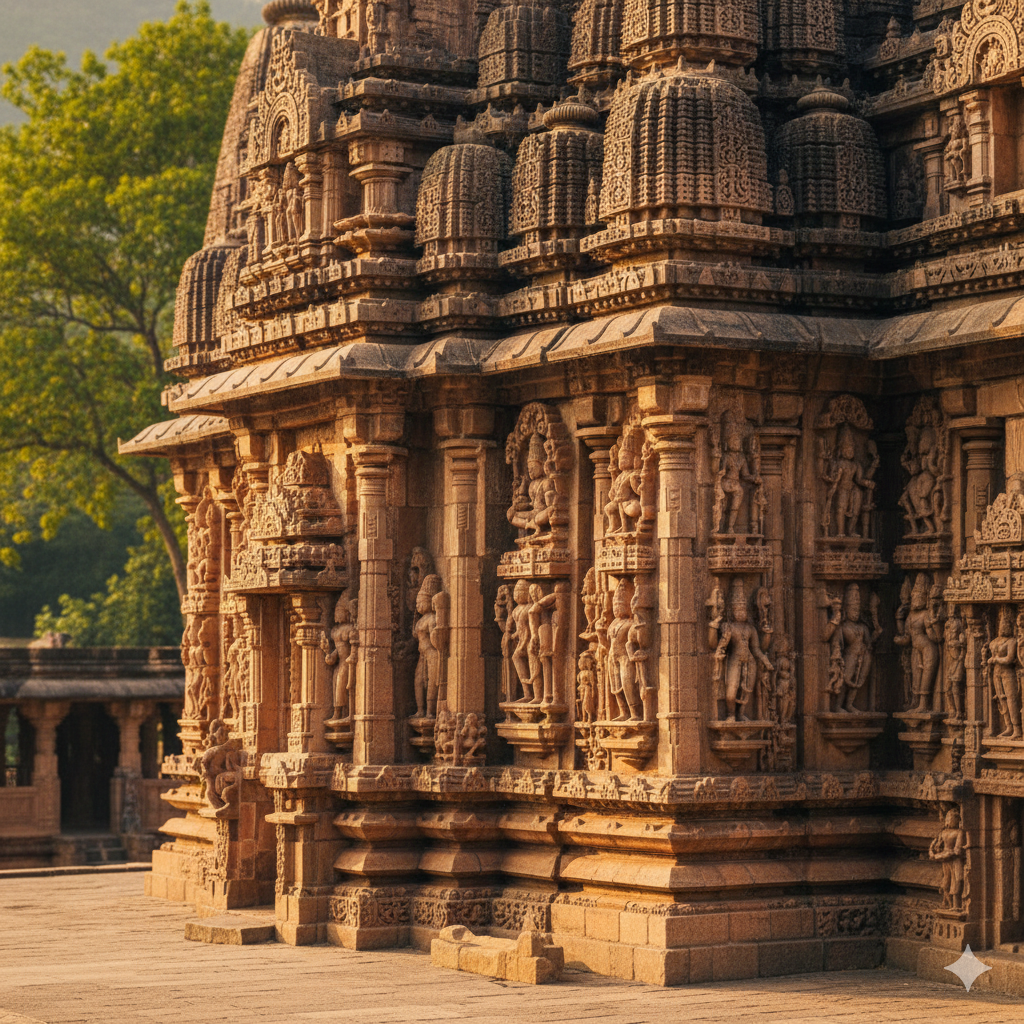
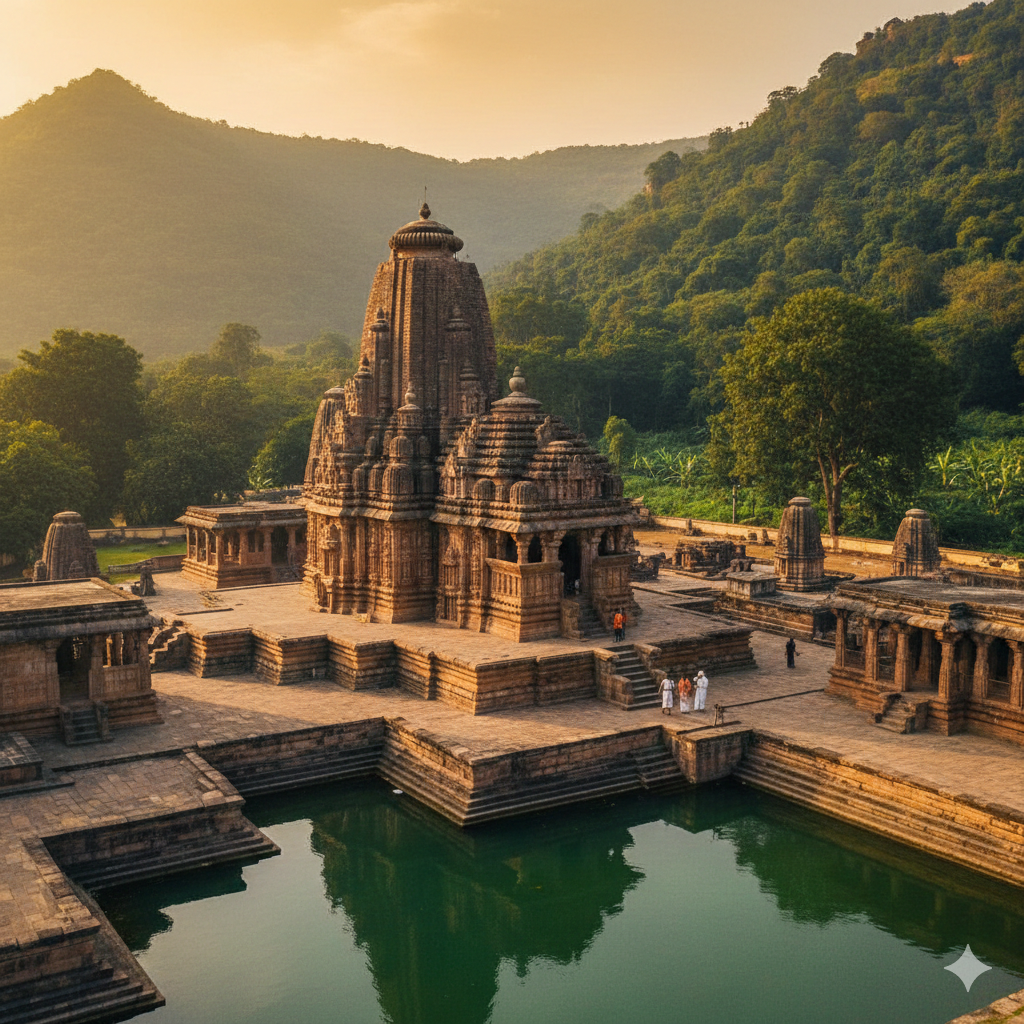
While the legends speak of ancient times, the current magnificent structure of the Narsingh Nath Temple is historically attributed to Raja Baijal Dev, the then-ruler of Patnagarh. He is said to have commissioned the temple's construction in 1413 CE (though some sources suggest slightly different dates in the early 15th century). The architecture reflects the Kalinga style, characterized by its towering rekha deula (sanctum tower) and jagamohana (assembly hall). The intricate carvings on the temple walls depict various deities, mythological scenes, and floral motifs, showcasing the exquisite craftsmanship of the era.
A Glimpse into the Temple's Grandeur:
The Sacred Barahakhanda and the Undulating Stream
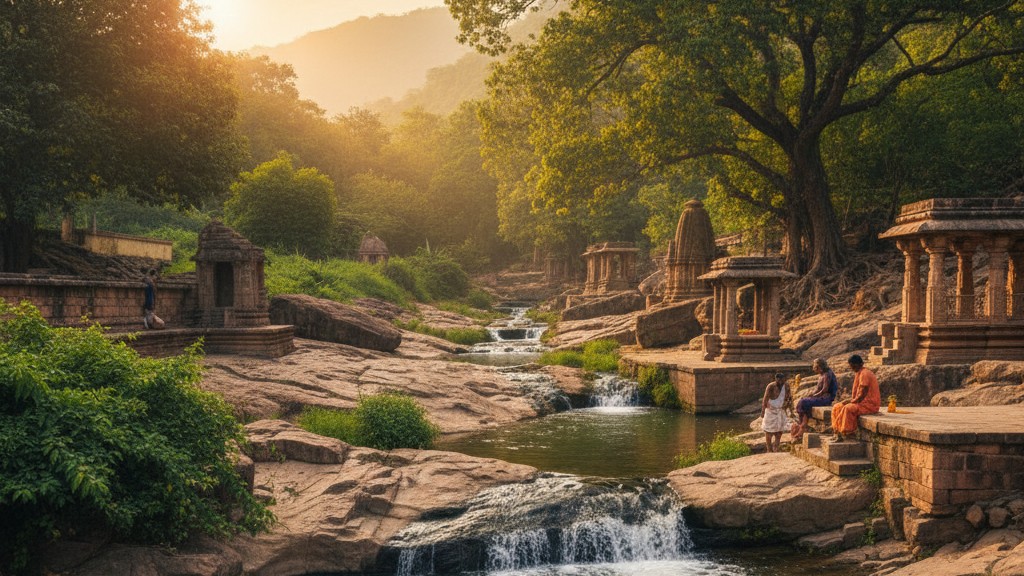
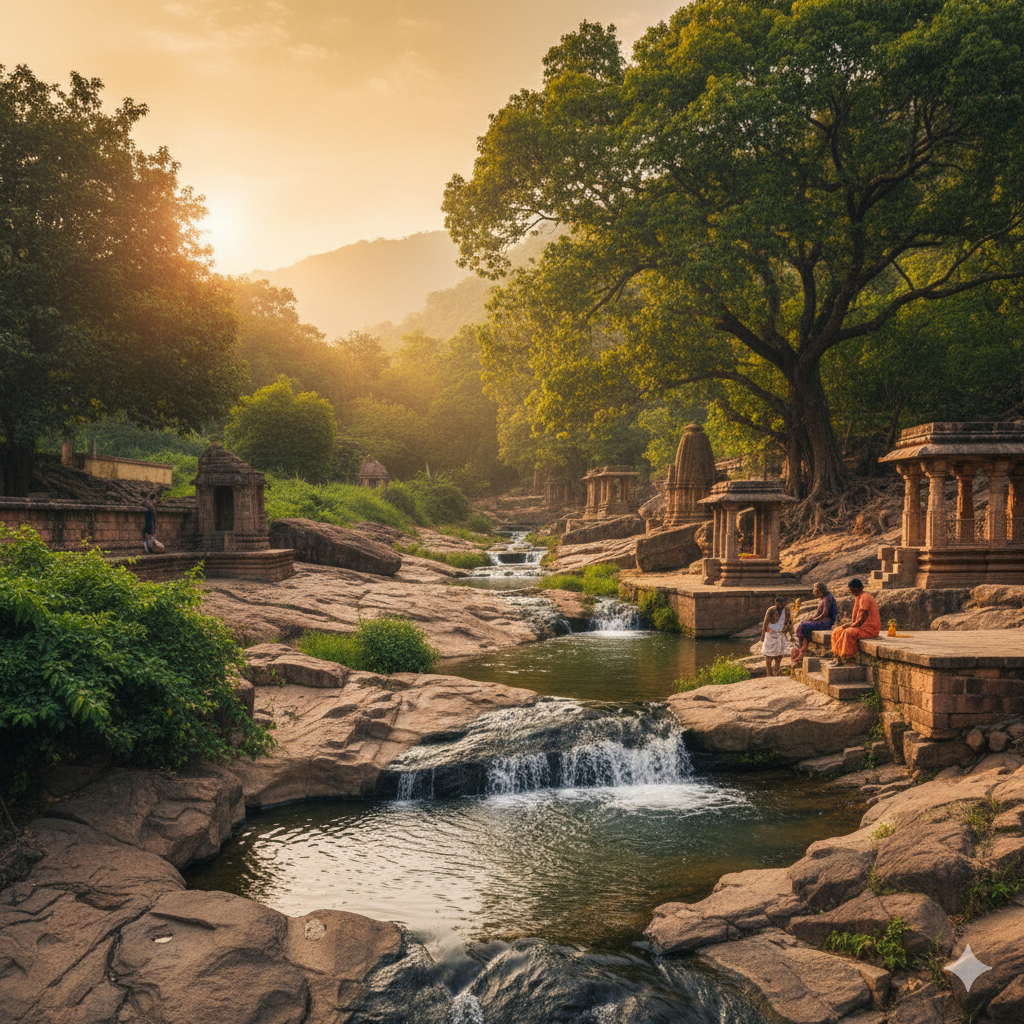
Flowing beside the temple is the picturesque Papaharini Stream, whose waters are considered sacred and believed to cleanse sins. Along its banks, devotees find numerous smaller shrines and sacred spots. A significant feature is the Barahakhanda, a series of cascading waterfalls and natural pools where pilgrims often take a holy dip. The lush greenery surrounding the temple, fed by this perennial stream, adds to its serene and mystical ambiance.
Architectural Details of the Temple:
A Center of Scholarly Pursuits
Beyond its religious significance, the Narsingh Nath Temple also played a role in medieval education and scholarly activities. The presence of ancient inscriptions and the historical context suggest that the temple complex was once a hub for learning, particularly for Sanskrit and religious texts.
Festivals and Cultural Heritage
The temple comes alive during major festivals such as Nrusimha Janma (the birth anniversary of Lord Narsingh Nath), Ratha Yatra, and Kartika Purnima. These celebrations draw thousands of devotees, who participate in rituals, bhajans, and cultural performances, keeping the ancient traditions vibrant.
The Papaharini Stream and its Serene Beauty:
Gallery


Comments (0)
Login or Register to leave a comment.